

Home remodeling in Orange County often starts with excitement and big plans. New kitchens. Better layouts. More space. Then delays appear. Weeks turn into months. Costs rise. Stress follows. This problem is more common than most homeowners expect. In many cases, the delay is not caused by weather or bad luck. It happens because of planning gaps, permit mistakes, or poor coordination before work begins. The difference between a smooth remodel and a frustrating one often comes down to one factor. A qualified general contractor who controls the process from day one. This guide explains why remodeling delays happen in Orange County homes and how a professional general contractor prevents them before they become costly problems.

Why Remodeling Delays Are So Common in Orange County
Orange County has strict building regulations, an older housing stock, and high demand for skilled trades. These conditions create challenges that homeowners underestimate.
Many projects start without a complete plan. Others move forward before permits are fully understood. Some rely on separate vendors without coordination. Each of these decisions adds time.
Here is what actually causes most delays.
Incomplete Planning Before Construction Starts
Here is what nobody tells you early. Remodeling delays usually start before construction begins.
Homeowners often approve designs that look good but lack technical detail. Electrical plans are vague. Plumbing routes are unclear. Structural changes are not fully engineered.
Once construction starts, these gaps force pauses. Crews stop. Inspectors fail work. Designs must be revised.
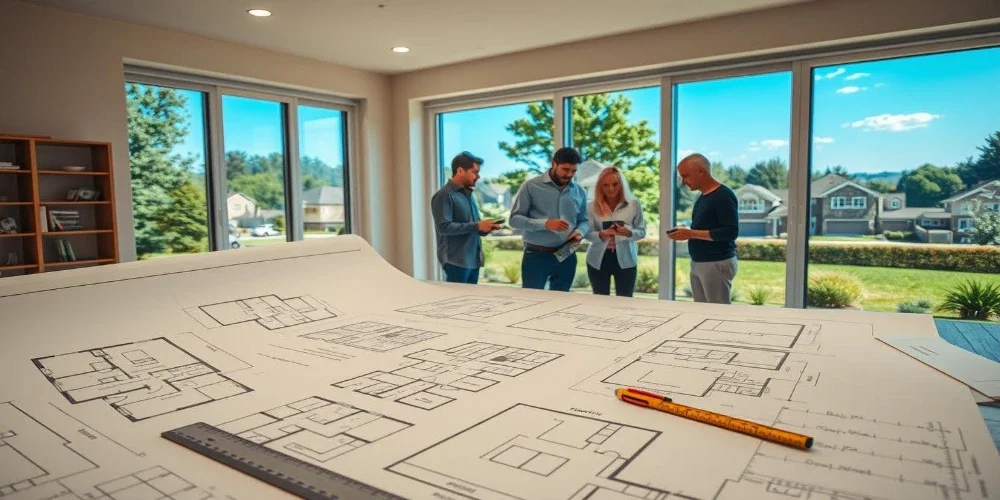
A general contractor prevents this by reviewing every detail before work begins. This includes layout, load paths, utilities, materials, and sequencing. This level of planning is standard in professional general contractor services, not DIY project management.
Permit and Approval Delays From Local Cities
Orange County cities have different review processes. Newport Beach, Irvine, Santa Ana, and Anaheim all operate differently.
Permit delays happen when applications are incomplete or incorrect. Missing documents. Wrong zoning assumptions. Incorrect valuation. These mistakes restart review cycles.
A licensed general contractor understands local permit workflows. They submit complete packages and respond quickly to corrections. This alone can save weeks or months.
If your project involves additions or structural changes, this process becomes even more important. It is especially true for home remodeling projects that affect layout or square footage.
Design Changes After Construction Has Started
Design changes are expensive. They also cause major delays.
Homeowners often realize mid-project that storage is missing or layouts feel tight. Changing cabinets, walls, or fixtures after framing slows everything.
These issues usually happen because the design phase was rushed.
An experienced general contractor pushes design clarity early. They walk homeowners through real-world scenarios. How doors swing. Where appliances land. How rooms flow.
This upfront guidance reduces regret and prevents mid-project redesigns.
Trade Scheduling Conflicts and Labor Shortages
Orange County has a high demand for licensed trades. Electricians. Plumbers. Framers. Tile installers.
When trades are not scheduled correctly, crews wait on each other. One delay triggers another. Weeks are lost.
A general contractor coordinates all trades under one schedule. They know which work must finish first and how inspections affect timing.
This coordination is critical in complex builds like custom home construction services, where multiple phases overlap.
Material Backorders and Poor Procurement Planning
Materials cause more delays than most homeowners expect. Cabinets. Windows. Specialty tile. Custom doors.
Ordering late or selecting discontinued products stops progress.
A general contractor plans material timelines early. They confirm lead times. They order critical items before demolition starts.
This planning keeps projects moving even when supply chains tighten.
How a General Contractor Prevents Remodeling Delays
A professional general contractor does more than manage labor. They control risk, timing, and decisions.
Here is how delays are prevented in real projects.
One Central Point of Responsibility
When multiple vendors are involved, nobody owns the schedule. Designers blame contractors. Contractors blame suppliers.
A general contractor removes confusion. One party controls planning, execution, and problem-solving.
This is why homeowners choose general contractor services in Orange County instead of managing vendors themselves.
Detailed Pre-Construction Planning
Before permits are pulled, a general contractor verifies the scope. Measurements. Structural needs. Utility routes.
This prevents surprises after demolition.
It also protects homeowners from inspection failures that stop work.
Permit Strategy Built Into the Timeline
Permits are not an afterthought. They shape the schedule.
A general contractor plans around review timelines. They schedule work phases that do not require final approvals. This keeps momentum even during inspections.
This approach is critical for ADU and expansion projects. It applies strongly to ADU construction services where zoning rules add complexity.
Controlled Change Management
Changes happen. The difference is how they are handled.
A general contractor documents scope changes. They price them quickly. They explain the time impact clearly.
This prevents open-ended delays and budget confusion.
Local Knowledge of Orange County Homes
Orange County homes vary widely. Coastal moisture issues. Hillside grading. Older slab foundations.
A contractor familiar with local construction understands these conditions. They plan accordingly.
This experience matters most in coastal cities like Newport Beach. It also applies to inland areas like Irvine and Santa Ana.
Remodeling Projects Most Prone to Delays
Some projects carry a higher delay risk than others.
These include:
- Full home remodels
- Kitchen remodels with layout changes
- Bathroom remodels with plumbing relocation
- Structural additions
- ADUs and garage conversions
Each of these requires strong planning and inspection coordination. If your project falls into these categories, working with a general contractor is not optional. It is protection.
How This Applies to Custom Homes and Large Remodels
Large remodels function like new builds. They require sequencing, inspections, and engineering. The same principles apply to custom home construction services. Without centralized control, delays are guaranteed. This is why many homeowners treat major remodels like new builds and hire general contractors early.
What Homeowners Should Do Before Starting a Remodel
Before hiring anyone, ask these questions:
- Who manages permits and inspections?
- How are schedules coordinated?
- How are changes handled?
- What experience exists with local cities?
If answers are unclear, delays are likely.
Final Thoughts: Delays Are Preventable
Remodeling delays are not inevitable. They are usually caused by planning gaps and poor coordination. A professional general contractor prevents these issues by controlling the entire process. From permits to punch lists. If you are planning a remodel in Orange County, the smartest decision is choosing experience over shortcuts. The cost of delays is always higher than the cost of doing it right the first time.
FAQ
Why does my remodel keep failing inspections?
Most failures come from missing details or incorrect installations. A general contractor reviews code requirements before work begins.
Can I save time by managing trades myself?
In most cases, no. Trade coordination without experience causes delays and scheduling conflicts.
Are permits really necessary for interior remodels?
Yes. Structural, plumbing, electrical, and layout changes usually require permits in Orange County.
How early should I hire a general contractor?
Before the design is finalized. Early involvement prevents planning mistakes.
Do delays always increase costs?
Almost always. Labor rescheduling, material reorders, and extended rentals increase expenses.