

Adding an Accessory Dwelling Unit in Orange County is no longer just a trend. It has become one of the most reliable ways homeowners create long-term rental income without selling their property. I have seen homeowners turn underused yards, garages, and side spaces into steady monthly cash flow. I have also seen people lose time and money because they rushed the process or misunderstood the rules.
The difference between success and regret usually comes down to one thing. Planning the ADU correctly from day one.
This guide explains how to legally build an ADU in Orange County and how to design it specifically to maximize rental income. Not theory. Not generic advice. Practical insight based on real projects, real mistakes, and what actually works in this market today.
Why ADUs Are a Strong Rental Strategy in Orange County
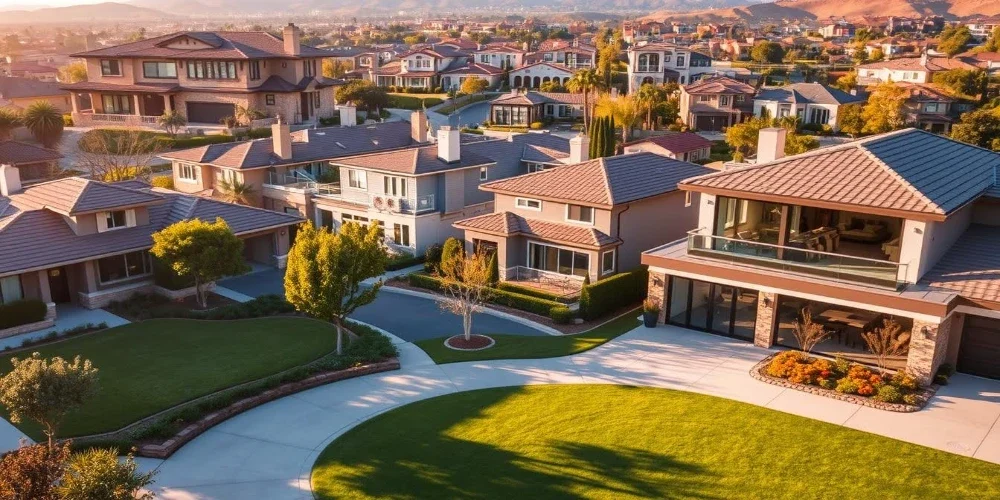
Orange County has a unique mix of high home values, limited rental supply, and strong tenant demand. Cities like Newport Beach, Irvine, Costa Mesa, Santa Ana, Anaheim, and Mission Viejo consistently see low vacancy rates. Renters want privacy, safety, and modern living spaces. ADUs meet that demand perfectly.
Here is what many homeowners miss. An ADU is not just extra space. It is a separate income property sitting on land you already own. That changes the financial equation entirely.
As of the last two years, legal ADUs in Orange County commonly rent for between 2,000 and 4,800 dollars per month, depending on size and location. The strongest returns come from ADUs designed with renters in mind, not just convenience for the homeowner.
What Makes an ADU Legal in Orange County
A legal ADU must follow California state law and local city requirements. While the state has relaxed many rules, cities still control setbacks, height, utility connections, and coastal or zoning overlays.
A legal ADU includes:
- A kitchen with cooking appliances
- A full bathroom
- Independent living space
- Proper fire separation and safety features
- Approved permits and inspections
Illegal conversions may seem cheaper at first. They almost always cost more later when buyers, lenders, or insurance companies get involved.
If you are exploring your options, reviewing local ADU construction services is a good starting point to understand design standards, permitting steps, and city expectations before moving forward.
How ADU Design Directly Affects Rental Income
Here is something I learned the hard way early on. A legal ADU does not automatically mean a profitable ADU.
Rental income depends heavily on design choices. Small decisions can change monthly rent by hundreds of dollars.
High-performing ADUs usually include:
- Private entrance
- Natural light from multiple directions
- Full-size kitchen appliances
- In the unit laundry or space for it
- Sound separation from the main house
- Dedicated outdoor space or patio
Renters are willing to pay more for privacy and comfort. Treat the ADU like a standalone home, not an extension of the main house.
Garage Conversion or Detached ADU for Rental Income
Both options work in Orange County, but they serve different income goals.
A garage conversion often rents slightly lower but costs less to build. It works well on smaller lots or where setbacks limit new construction. You can explore garage conversion services to see what typically qualifies for rental use.
A detached ADU usually produces higher rent due to privacy and separation. It also holds stronger resale appeal in many neighborhoods. The tradeoff is higher construction costs and longer timelines.
The right choice depends on lot size, parking rules, and long-term plans. There is no universal winner.
Rental Strategy. Long Term vs Short Term
Many homeowners ask whether short-term rentals produce better income. In Orange County, this depends entirely on city rules.
Some cities restrict short-term rentals heavily. Others allow them with permits. Long-term rentals of 30 days or more remain the most stable and predictable option across most cities.
From experience, long-term tenants reduce vacancy, wear, and legal risk. They also appeal to lenders and future buyers if you sell the property.
Common ADU Mistakes That Reduce Rental Income
Here are mistakes I see repeatedly.
One homeowner built a beautiful ADU but skipped sound insulation. The unit was rented quickly, then the tenant left within months due to noise complaints.
Another focused on luxury finishes but ignored storage. Renters loved the look but struggled with daily living.
Others underestimated utility upgrades and lost budget flexibility for interior features that actually increase rent.
Avoid these mistakes:
- Ignoring soundproofing
- Poor layout planning
- Insufficient storage
- Weak lighting design
- No separation between units
Good design earns higher rent every month, not just compliments.
Permits, Timeline, and Realistic Expectations
Most legal ADUs in Orange County take between 6 and 9 months from design to completion. Garage conversions can be faster. Detached units take longer due to foundation and utility work.
Permits are not the enemy. Delays usually happen when plans are incomplete or zoning rules are ignored early.
Working with professionals who understand home remodeling in Newport Beach and nearby cities can reduce surprises and speed up approvals.
How Location Within Orange County Affects Rent
Location matters even within the same city.
An ADU near beaches, business centers, hospitals, or universities rents faster and higher. Walkability and parking access also play a role.
In Newport Beach and coastal areas, privacy and outdoor space matter more. In inland cities like Anaheim or Santa Ana, affordability and layout often matter more.
Design for your local renter, not an imaginary one.
Tools and Resources That Help ADU Owners
Several tools help ADU owners make smarter decisions.
- Zillow and Rentometer for rental pricing research
- SketchUp for layout visualization
- EnergyPro for Title 24 compliance
- Local city planning portals for zoning checks
- Permit expediting services for faster approvals
Use tools to inform decisions, not replace professional advice.
Financing and Return on Investment
Most homeowners finance ADUs through cash, HELOCs, or renovation loans. The strongest returns come when monthly rent covers most or all of the added debt.
Many Orange County homeowners see ADUs pay for themselves within 7 to 10 years. After that, rental income becomes long-term profit.
ROI improves when the ADU is legal, well-designed, and professionally built.
Final Thoughts
A legal ADU can change how your property works for you. It can provide a steady income, increase value, and create flexibility for the future. The key is doing it right.
Plan carefully. Design for renters. Follow the law. Think long term.
If you want to explore how an ADU fits your property, zoning, and income goals, a consultation with Look Wow Builders can help you move forward with clarity and confidence.
FAQ
Is an ADU worth building for rental income
Yes, when designed correctly and built legally, ADUs are one of the strongest rental investments for homeowners in Orange County.
Do ADUs increase property value
In most cases, yes. Appraisers often assign significant value to legal ADUs with rental history.
Can I live in my ADU and rent the main house
In many cities, yes. Owner occupancy rules vary, so always verify locally.
How much rent can an ADU generate
Typical rents range from 2,000 to over 4,500 dollars per month, depending on size and location.
Are ADUs hard to manage
Most long-term rentals are easy to manage with proper tenant screening and clear boundaries.